
Pharmaceuticals and Healthcare
Whether seamless batch documentation in pharmaceutical manufacturing, cold chain monitoring for vaccines, or IoT-supported patient monitoring in hospitals – IoT is fundamentally changing pharma and healthcare. Not as a vision of the future, but as everyday practice at pharmaceutical companies, medical device manufacturers, and healthcare facilities already working with it today.
The challenges are real: pharmaceutical processes must be GMP-validated, every batch must be documented without gaps, cold chains must not be interrupted, and medical devices are subject to the strictest safety requirements. At the same time, pressure on efficiency and cost reduction is rising – with zero tolerance for quality deviations.
This is exactly where IoT comes in: sensors continuously monitor process parameters and environmental conditions, GMP-compliant documentation is created automatically, and alarm systems respond in real time to critical deviations. The right data at the right time protects patients, ensures compliance, and optimizes costly production processes.
On this page you will find hands-on solution examples from the IoT Use Case network – from pharmaceutical companies, medical device manufacturers, and technology providers who have delivered real projects. No marketing, no promises – only what actually works.
These challenges are driving IoT projects in pharma and healthcare
GMP compliance and seamless process documentation
Every production step in pharmaceutical manufacturing must be documented according to GMP – without gaps, tamper-proof, and audit-ready. Manual records are error-prone and time-consuming. IoT systems generate this documentation automatically and significantly facilitate regulatory inspections.
Cold chain monitoring for temperature-sensitive medicines
Vaccines, biologics, and other temperature-critical medicines must be consistently stored and transported at defined temperatures. A single break can render them unusable. IoT temperature monitoring secures the cold chain without gaps and documents every step.
Batch traceability and product recall readiness
In the pharmaceutical sector, batches must be fully traceable from raw material supplier to pharmacy. In the event of a safety alert or recall, affected batches must be identifiable within minutes – not days.
Clean room monitoring and environmental control
Clean rooms in pharmaceutical production must be continuously monitored for particles, temperature, humidity, and pressure. Deviations from specifications must be reported and documented immediately – a classic IoT application area with direct compliance relevance.
Patient monitoring and connected medical devices
Connected medical devices – from infusion pumps to wearables – continuously deliver vital data and enable early interventions. At the same time, MDR, FDA, and cybersecurity requirements place extremely high demands on safety and reliability.
Plant availability in validated production environments
Every change to a validated pharmaceutical facility requires extensive revalidation processes. Predictive maintenance must therefore be integrable into existing validation concepts – without compromising compliance documentation.
Real-world solution examples in the Pharmaceuticals and Healthcare industry











IoT in Pharma and Healthcare: What Actually Works in Practice
No industry places higher demands on data integrity, precision, and compliance than pharma and healthcare. An error in batch documentation can lead to a product recall. A cold chain interruption can render vaccines unusable. A system failure in a hospital can endanger lives. IoT in this industry is not an efficiency measure – it is patient protection and compliance infrastructure.
The difference from other industries: in pharma and healthcare, every IoT solution is a potentially regulated system. Software in medical devices is subject to MDR and FDA requirements. Systems in pharmaceutical manufacturing must be validated according to GxP. Every change to hardware or software requires documented qualification and validation processes.
Typical Application Areas
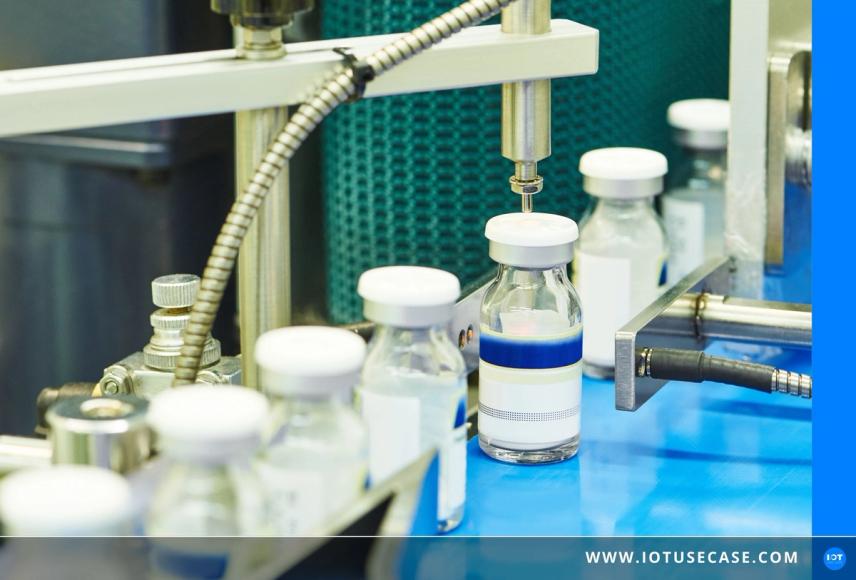
GMP-Compliant Process Monitoring in Pharmaceutical Manufacturing
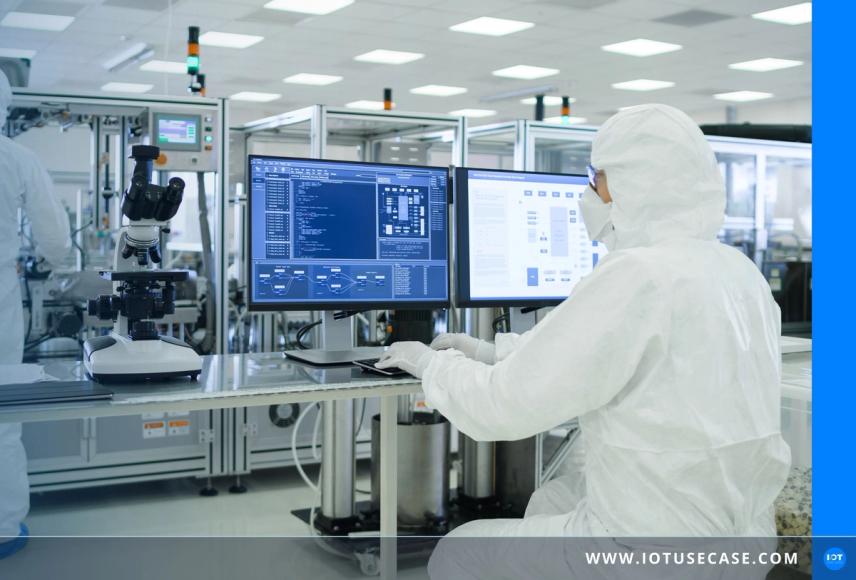
Temperature, humidity, pressure, pH value, and process parameters are continuously captured and documented in a GMP-compliant manner. All measured values are linked with timestamp, equipment ID, and batch information – stored in a tamper-proof manner and retrievable at the touch of a button for regulatory inspections.
Cold Chain Monitoring from Manufacturer to Pharmacy
Temperature data loggers and IoT sensors monitor cold chains without gaps from production output through storage and logistics to delivery to the patient. Threshold violations are reported immediately. All data is stored in a GxP-compliant manner and available for authorities, insurers, and quality assurance.
Clean Room Monitoring to ISO 14644 and GMP Annex 1
Particle counters, differential pressure sensors, and climate sensors continuously monitor clean rooms. Deviations trigger immediate alarms and are documented in 21 CFR Part 11-compliant systems. This replaces time-consuming manual checks and provides seamless environmental histories for audits.
Predictive Maintenance in Validated Production Facilities
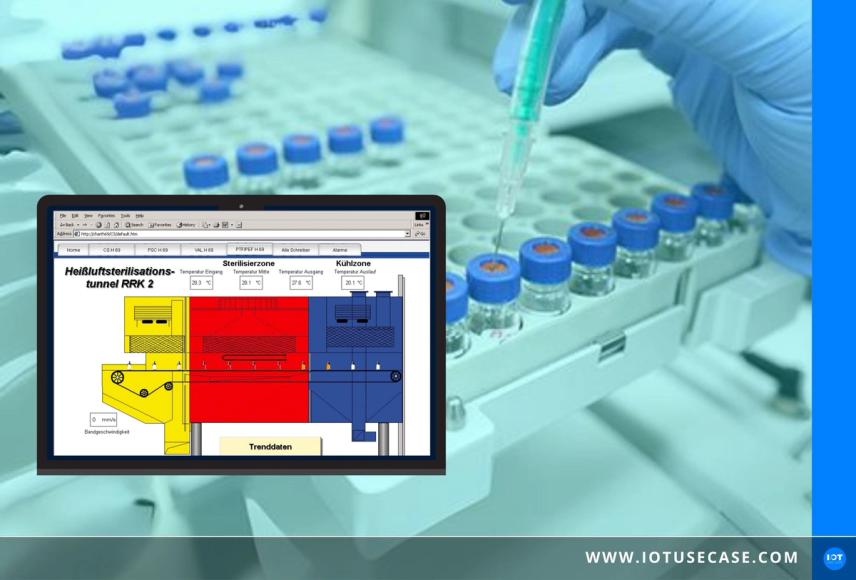
Bioreactors, sterilizers, filling lines, and HVAC systems are equipped with vibration and temperature sensors. Condition-based maintenance recommendations are generated without changing the validation basis. This reduces unplanned failures and avoids costly emergency requalification procedures.
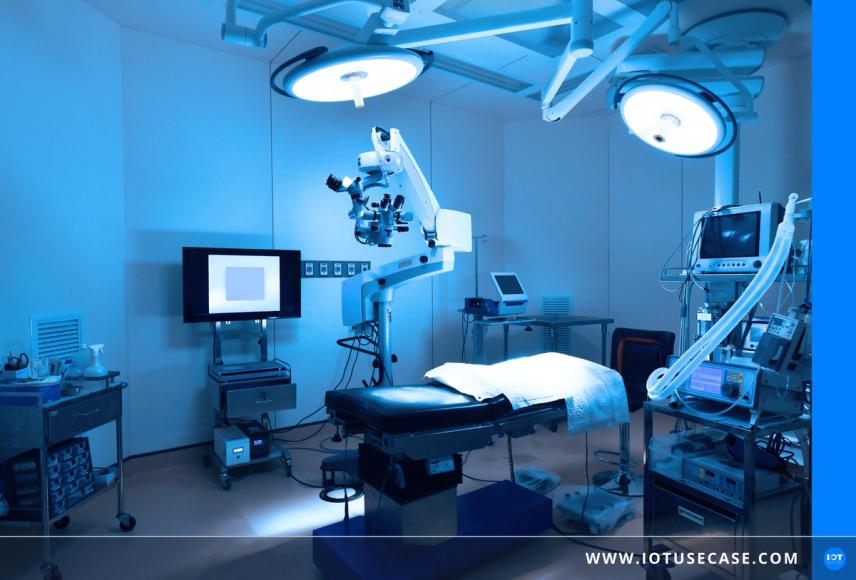
Connected Patient Monitoring and Clinical IoT Systems
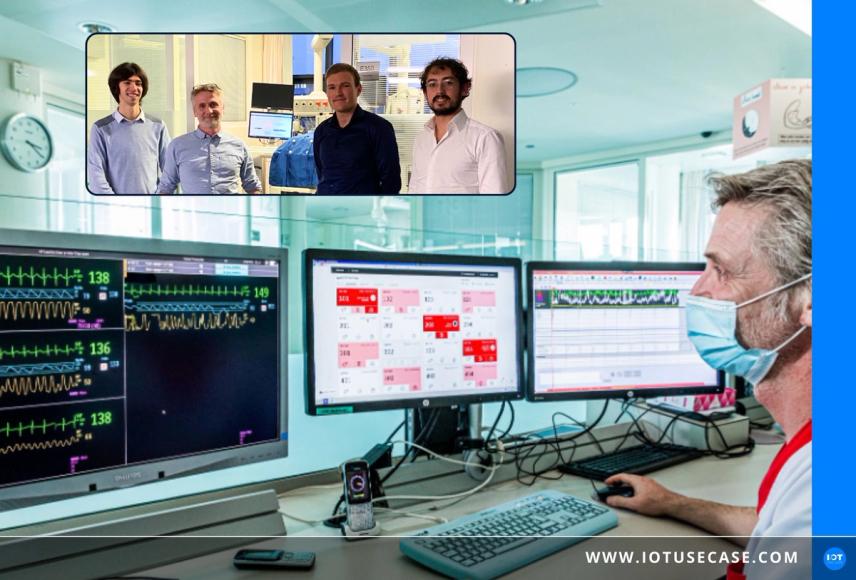
Wearables, smart infusion pumps, and remote patient monitoring systems continuously deliver vital data. Early warning systems detect critical changes before clinical symptoms appear. In hospitals, this relieves nursing staff while simultaneously improving patient safety.
What Sets IoT in Pharma and Healthcare Apart from Other Industries
In no other industry are the regulatory requirements for digital systems as complex and multi-layered as in pharma and healthcare. GMP, GxP, 21 CFR Part 11, MDR, ISO 13485, IEC 62443 – each of these standards places specific requirements on validation, data integrity, audit trail, and cybersecurity.
What is more: the consequences of errors in this industry are directly linked to patient safety. IoT providers must not only be technically convincing, but must also be able to demonstrate that their systems meet the regulatory requirements of the respective application – documented, qualified, and validated.
Real-World Examples from the IoT Use Case Network
In our network you will find concrete, verified solution examples from pharma and healthcare – from GMP-compliant process monitoring and cold chain monitoring through clean room classification to connected patient monitoring and predictive maintenance in validated facilities. Every example shows which technologies were used, what challenges existed, and what was concretely achieved in the end.
No marketing fluff. Only practice.
Implementing IoT in pharma and healthcare – we can help
Are you planning an IoT project in the pharmaceutical industry or healthcare sector, or do you want to become visible as a solution provider in this area? We help you find the right partners, present solutions in a practical way, and reach real users.
Get in touch